
Goldendoodle Health Issues: A Breeder’s Guide to Prevention
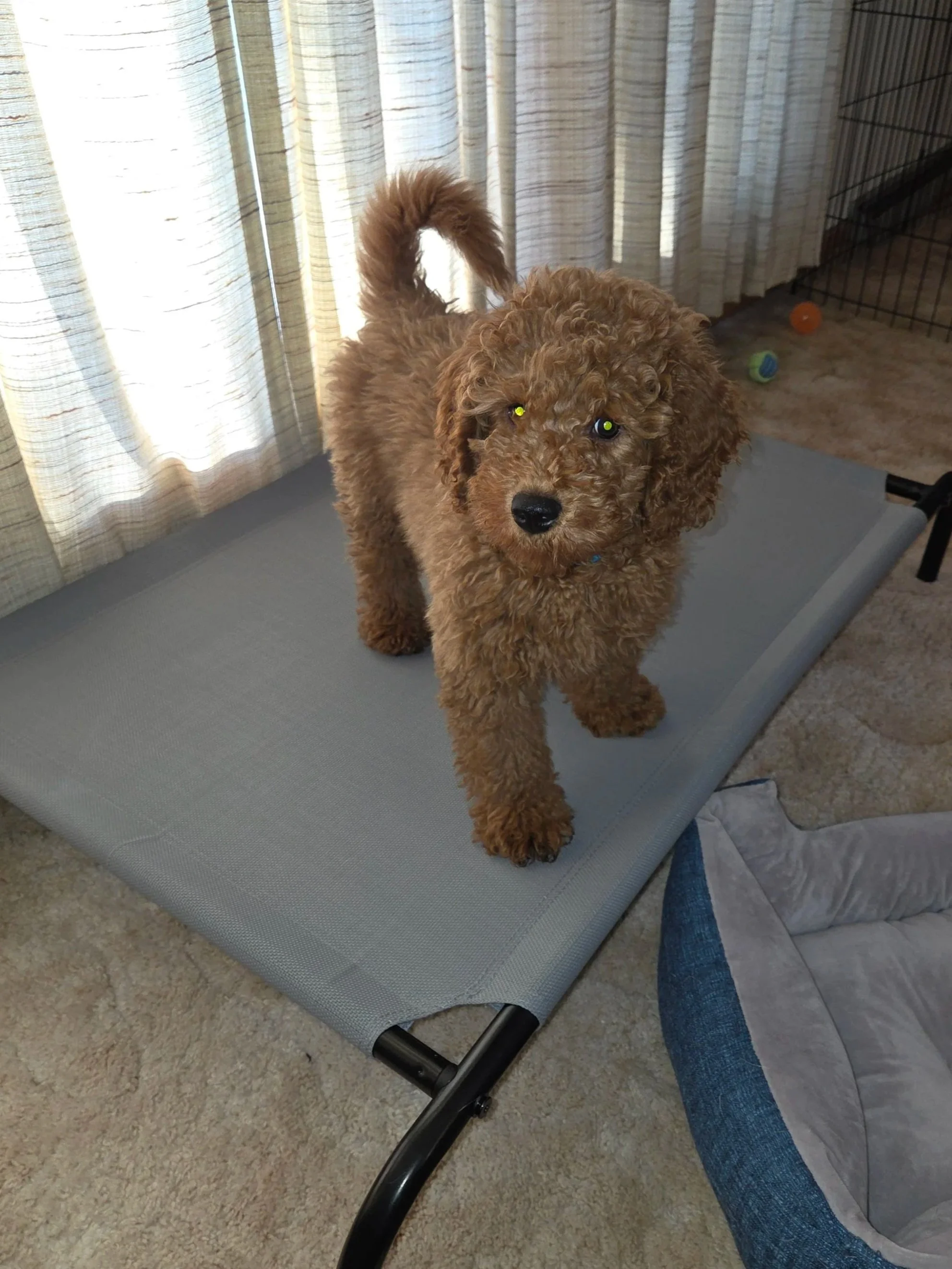
Looking for the specific tools I use with Charlie? Check out my Master Gear Page for my top-rated Goldendoodle supplies, from grooming tools to training crates.
When you buy a Goldendoodle, you aren't just getting a pet; you’re getting a genetic blend of two of the world’s most popular breeds. While "hybrid vigor" is a real thing, it doesn't mean Goldendoodles are invincible. As a professional breeder, I spend my life studying bloodlines to reduce health risks, but once Charlie came home, the responsibility shifted to daily prevention.
Most doodle health issues aren't "bad luck"—they are manageable conditions that can be avoided with the right routine. Here is my breeder’s perspective on the three most common health hurdles and how I’m keeping Charlie ahead of them.
1. The "Ear Infection" Battle
If there is one thing Poodles and Golden Retrievers both passed down, it’s those beautiful, floppy, heavy ears. These ears trap moisture and heat, creating a perfect greenhouse for yeast and bacteria.
The Breeder’s Secret: Don't pluck the ear hair! Many groomers still do this, but it can cause tiny tears in the ear canal that lead to infections. I keep the hair trimmed short for airflow instead.
The Routine: I clean Charlie’s ears every single week and every time he gets wet. I use a specific enzymatic cleaner that dries the canal without irritation. I’ve linked my "Ear Care Kit" on my Gear Page—using the wrong cleaner can actually make the pH balance worse.
Prevention is a daily habit. That’s why I combine his health checks with my At-Home Grooming Routine to keep his coat and skin in top shape.
2. Protecting the Hips and Joints
Hip dysplasia is a major concern for both parent breeds. While I only breed dogs with "Good" or "Excellent" OFA hip ratings, environmental factors play a huge role in a puppy's development.
The "No Stairs" Rule: Until Charlie is about 6 months old, I limit his use of stairs and avoid letting him jump off high surfaces like the couch. Repetitive impact on soft puppy joints is a leading cause of developmental issues.
Weight is Everything: As I showed in my Growth Chart article, keeping Charlie lean is the best thing I can do for his joints. One extra pound on a 12-lb puppy is like 20 lbs on a human.
Early Support: I started Charlie on a high-quality Omega-3 and Glucosamine supplement early to support his cartilage. You can find my breeder-recommended joint supplements on my Gear Page.
3. The "Sensitive Tummy" Syndrome
Goldendoodles are notorious for having delicate digestive systems. Charlie had a few bouts of "soft serve" stool early on, which is why I’m so strict about his diet.
Zero Human Food: I don't feed Charlie table scraps. Period. The fats and spices in our food can trigger pancreatitis or chronic upset in a Doodle.
Probiotic Power: I keep a professional-grade probiotic in my cabinet at all times. If Charlie’s stool looks slightly off, I add it to his meal immediately to reset his gut biome.
Genetic Testing: Why It Matters
Beyond daily care, I’m constantly monitoring Charlie for breed-specific genetic markers like PRA (Progressive Retinal Atrophy). Because I come from the breeding world, I know that "looking healthy" isn't enough—you have to know what’s happening in the DNA.
I’ve included a "Health & Safety" checklist in the Puppy Foundations module of my Goldendoodle Academy. For $45, I’ll show you exactly how to perform a "Weekly Wellness Check" on your pup so you can catch issues before they turn into $1,000 vet bills. It’s the same routine I use for every dog I breed.
Final Thoughts
Charlie is thriving because we don't take his health for granted. By cleaning his ears, protecting his joints, and guarding his gut, I’m ensuring he has a long, active life. Check out my Gear Page for the medical and grooming supplies I keep in my "Breeder’s First Aid Kit," and let’s keep those Doodles healthy!