
Senior Goldendoodle Care: Navigating the Golden Years Together
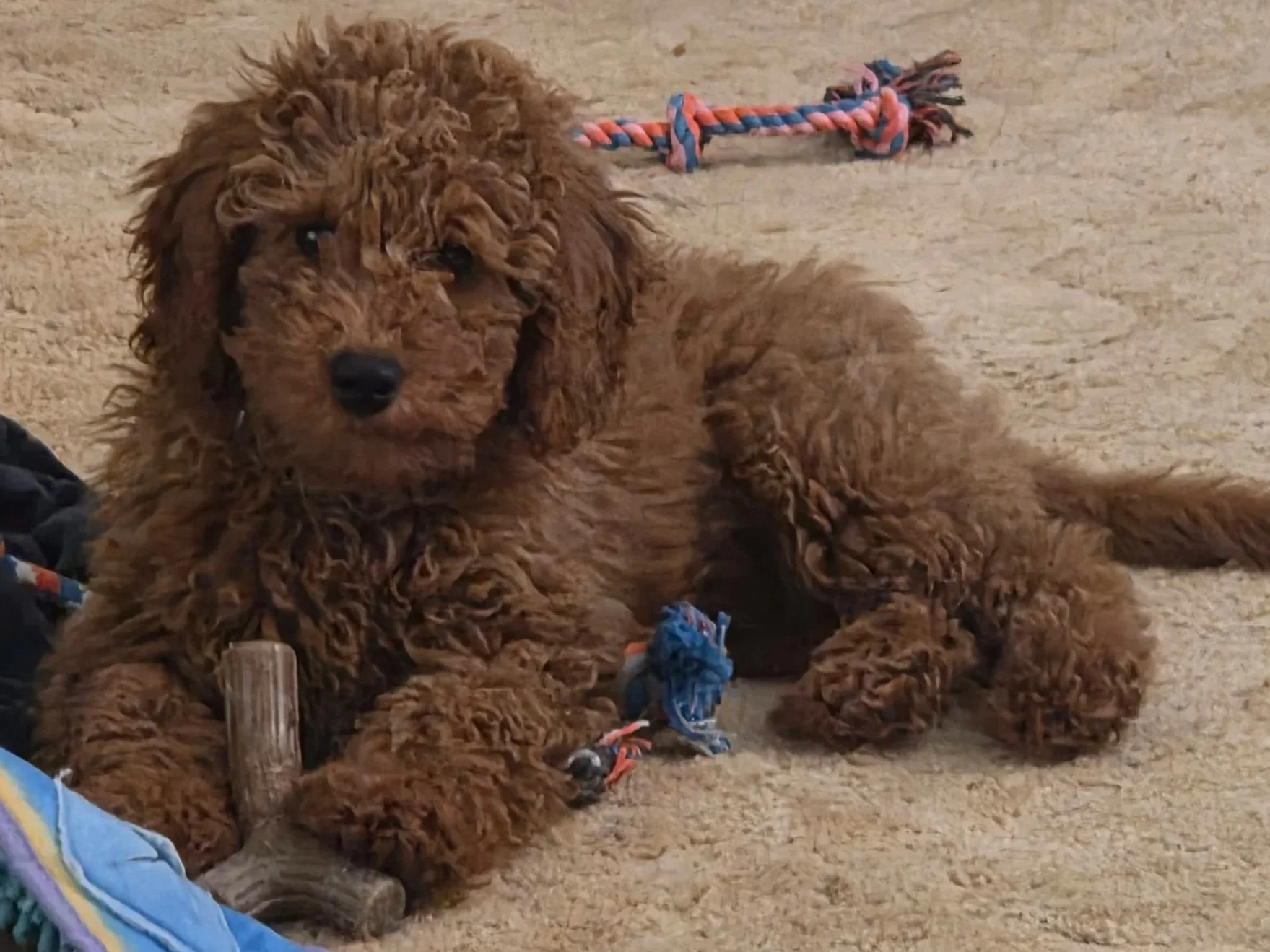
Looking for the specific tools I use with Charlie? Check out my Master Gear Page for my top-rated Goldendoodle supplies, from grooming tools to training crates.
The Full Circle of Care
At Ironstone Goldendoodles, we talk a lot about the beginning—Choosing Breeding Stock, the Neurobiological Foundation, and The First 48 Hours. But the true measure of a breeder’s heart is how much they care about the "finish line."
As your Goldendoodle transitions into their senior years (typically around age 8 or 9), their needs will change. Providing "The Ironstone Standard" of care means adapting to these changes to ensure their final years are as vibrant as their first.
1. Prioritizing Mobility and Joint Health
The athleticism we breed for in our dogs needs protection as they age.
Orthopedic Support: Invest in a high-quality bed that supports their joints.
Supplements: Consult with your vet about starting glucosamine and chondroitin early.
Environmental Tweaks: Consider ramps for the car or stairs, and rugs on hardwood floors to prevent slipping.
2. Cognitive Function: The "Mental" Senior
Just as we emphasize Mental Stimulation vs. Physical Exercise for puppies, it is vital for seniors. "Canine Cognitive Dysfunction" is real, but you can slow it down.
Gentle Brain Games: Continue with low-impact scent work or slow "find it" games.
Routine is King: Seniors thrive on a predictable schedule; it reduces anxiety and helps them feel secure even if their sight or hearing begins to fade.
3. Nutrition and Weight Management
An overweight senior dog is a dog in pain. Because their metabolism slows down, you must adjust their caloric intake. We often see that the Best Puppy Foods are too calorie-dense for an older dog. Transitioning to a senior-specific formula helps protect their kidneys and heart.
4. Increased Veterinary Vigilance
While we have a strict Vaccination and Deworming Philosophy for pups, senior care shifts toward "Early Detection." Bi-annual vet visits and senior blood panels can catch issues like kidney disease or thyroid imbalances before they become emergencies.
5. The Emotional Bond
Your senior dog may not be able to go on the long hikes you once shared, but their need for your presence is stronger than ever. This is the stage where the "biddability" we value so much turns into a deep, silent companionship.
Our Final Promise
Remember, our No-Questions-Asked Rehoming Policy applies to our seniors, too. No Ironstone dog should ever face their golden years in a shelter or in a home that can no longer provide the medical care they require. We are your partners from day one to the very end.